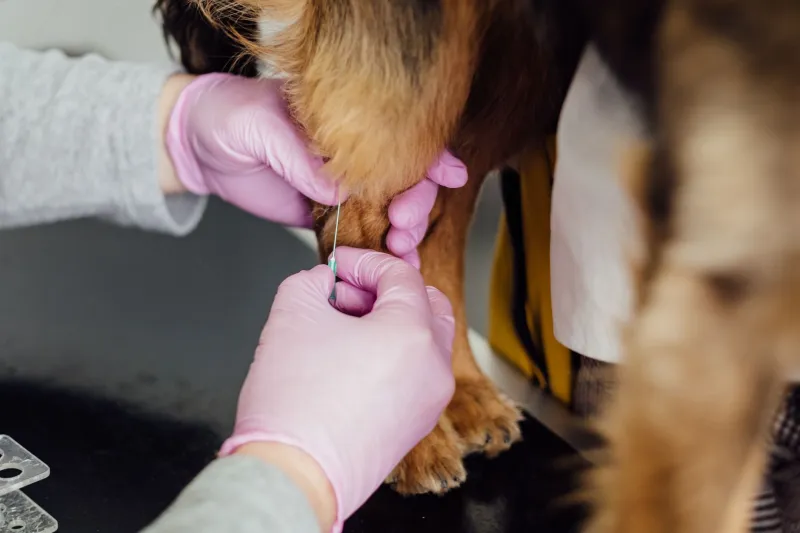
Cold-Weather Injuries, Warm-Weather Healing: Why Canadian Winter Sports Athletes Are Flying South for Stem Cell Recovery
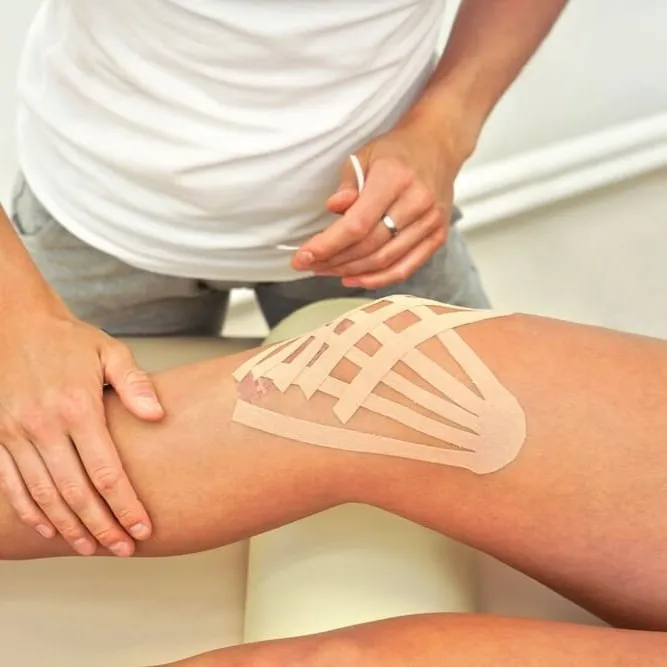
Photo: Canadian skier knee injury rehabilitation warm tropical setting, via images.squarespace-cdn.com
Every winter, Canadian emergency rooms and orthopaedic clinics absorb a predictable surge. Skiers returning from Mont-Tremblant with swollen knees. Snowboarders from the Rockies nursing ligament sprains. Hockey players managing the accumulated toll of a long season on frozen rinks from Winnipeg to Halifax. These injuries are a near-inevitable feature of Canada's winter sporting culture—and for decades, the recovery pathway looked essentially the same: surgery, immobilisation, months of physiotherapy, and a return to activity that was never quite guaranteed.
That pathway is now being reconsidered. A measurable and growing cohort of Canadian winter sports enthusiasts—ranging from competitive athletes to dedicated weekend warriors—are combining post-injury recovery with travel to Jamaica, where regenerative medicine clinics such as Stem Cell Jamaica are offering cellular therapies that target the biological root of musculoskeletal damage rather than simply managing its structural consequences.
The Anatomy of a Winter Sports Injury
Understanding why regenerative medicine is particularly well-suited to winter sports injuries requires a brief look at what those injuries actually involve at the cellular level.
The most common presentations—ACL tears, meniscus damage, rotator cuff injuries, and stress fractures—share a defining characteristic: they affect tissues with limited natural blood supply. Cartilage, in particular, receives almost no direct vascularisation, which is precisely why the body struggles to repair it efficiently. When a skier's knee twists under load or a snowboarder absorbs a hard fall, the resulting cartilage and ligament damage sits in a biological environment poorly equipped for self-repair.
Conventional surgical intervention addresses this by physically reconstructing damaged structures—replacing a torn ACL with a graft, trimming a damaged meniscus, or anchoring a rotator cuff back to bone. These are often effective procedures, but they carry meaningful trade-offs: general anaesthesia, hospital stays, weeks of non-weight-bearing recovery, and a rehabilitation arc that can extend twelve to eighteen months for ligament reconstructions.
Stem cell therapy approaches the same problem from a different direction. By introducing concentrated populations of mesenchymal stem cells—typically derived from the patient's own bone marrow or adipose tissue—directly into the site of injury, the treatment aims to stimulate the body's endogenous repair mechanisms, reduce inflammation, and promote the regeneration of damaged tissue rather than its surgical replacement.
What the Recovery Timeline Actually Looks Like
For Canadian athletes weighing their options, the timeline comparison is one of the most persuasive elements of the regenerative medicine case.
A standard ACL reconstruction in Canada involves a surgical procedure followed by a period of non-weight-bearing rest, typically four to six weeks, before supervised physiotherapy begins in earnest. Full return to sport—particularly pivoting and cutting movements central to skiing, hockey, and snowboarding—is generally not cleared until nine to twelve months post-surgery, and some patients report functional limitations extending well beyond that window.
Patients who undergo stem cell therapy at Stem Cell Jamaica typically experience a markedly different trajectory. Because the procedure is minimally invasive—delivered via targeted injection under imaging guidance rather than open surgery—there is no surgical recovery period in the conventional sense. Patients are mobile shortly after treatment and can begin a structured rehabilitation protocol within days. Depending on injury severity, many athletes report meaningful functional improvement within three to six months, with continued tissue remodelling occurring over the following year as the introduced cells continue their regenerative work.
It is important to note that stem cell therapy is not universally appropriate for every injury presentation. Complete ligament ruptures requiring structural reconstruction, or injuries involving significant bone involvement, may still necessitate surgical management. The clinical team at Stem Cell Jamaica conducts thorough assessments—including imaging review and biomechanical evaluation—to determine whether a patient is a suitable candidate for regenerative protocols.
The Caribbean Climate as a Therapeutic Variable
The choice of Jamaica as a recovery destination is not merely logistical convenience. There is a genuine physiological rationale for conducting post-injury rehabilitation in a warm climate.
Cold temperatures, which Canadian athletes are obviously accustomed to, promote vasoconstriction—the narrowing of blood vessels that reduces peripheral circulation. For injured tissue attempting to heal, reduced blood flow means reduced delivery of the oxygen, nutrients, and immune cells that support the repair process. Jamaica's warm ambient temperatures promote the opposite effect: vasodilation, improved peripheral circulation, and a physiological environment more conducive to tissue recovery.
Beyond vascular mechanics, there is the well-documented relationship between vitamin D and musculoskeletal health. Canadian winters, particularly in northern provinces, provide minimal ultraviolet exposure, and vitamin D deficiency is prevalent among Canadians during the colder months. Adequate vitamin D levels are associated with improved muscle function, reduced inflammation, and better bone density—all relevant factors in recovering from winter sports injuries. Extended time in Jamaica's consistent sunshine offers a natural correction to this seasonal deficit.
Cost Considerations for Canadian Patients
Healthcare cost comparisons between Canada and medical travel destinations require nuance. Canada's publicly funded system means that many surgical procedures carry no direct out-of-pocket cost to the patient—though the indirect costs of extended recovery, lost income, and delayed return to activity are real and significant.
Stem cell therapies are not currently covered by provincial health plans, meaning Canadian patients accessing regenerative medicine—whether domestically through private clinics or internationally through providers like Stem Cell Jamaica—are funding treatment privately. However, when the full economic picture is considered—including the cost of the procedure itself, travel and accommodation in Jamaica, and the compressed recovery timeline that allows faster return to professional and athletic activity—many patients find the value proposition compelling.
Stem Cell Jamaica offers transparent treatment pricing and works with patients to structure recovery stays that combine clinical appointments with the considerable appeal of extended time in the Caribbean. For many Canadians, the prospect of conducting post-treatment rehabilitation in Jamaica's warm, resort-adjacent environment—rather than a Canadian winter physiotherapy clinic—carries its own non-trivial quality-of-life value.
Planning Your Recovery Journey
For Canadian winter sports athletes considering regenerative medicine, the practical pathway begins well before any travel booking. Stem Cell Jamaica's team recommends initiating contact as soon as possible following injury, ideally with imaging already completed. This allows remote clinical review of MRI or ultrasound findings and a preliminary determination of whether stem cell therapy is appropriate for the specific injury presentation.
Patients who are confirmed as suitable candidates can then coordinate treatment timing around their professional and athletic calendars—a flexibility that surgical scheduling in Canada's strained orthopaedic system rarely affords. Many athletes choose to travel to Jamaica in the late winter or early spring, allowing treatment to coincide with the natural off-season and positioning them for a full return to activity before the following winter's first snowfall.
The convergence of advanced cellular medicine, therapeutic climate, and genuine medical expertise available at Stem Cell Jamaica represents a meaningful evolution in how Canadian athletes can approach winter sports recovery. The slopes will still be there next season. The question is how effectively you recover before you return to them.