Seventy-Two Hours in Kingston: An Hour-by-Hour Account of a Regenerative Treatment Journey
For most Canadian patients, the hardest part of considering regenerative treatment abroad is not the cost or the science. It is the unknown. What does the trip actually look like? What happens on procedure day? Is it a hospital or a clinic? How sore will you be on the flight home?
This article answers those questions the most honest way we know how: by walking through a representative itinerary, hour by hour, for a typical Canadian patient receiving an orthopaedic regenerative treatment in Kingston.
Day One: Arrival and Settling In
2:40 p.m. — Norman Manley International Airport. Most Canadian patients arrive on direct flights from Toronto. Kingston is closer to Toronto, in flight time, than Vancouver is. Immigration for medical travellers is straightforward; patients should carry their consultation correspondence and return documentation as they would for any international medical appointment.
4:00 p.m. — Hotel check-in. Patients are advised to book accommodation near the clinic, ideally within short walking or driving distance. Rest, hydration, and a light dinner are the order of the day. No alcohol, and no anti-inflammatory medications if the treating physician has asked that they be paused—NSAIDs can blunt the biological response that regenerative therapy depends upon.
Day Two: Consultation, Imaging, and Bloodwork
9:00 a.m. — Clinical consultation. The treating physician reviews the patient's records—MRIs and X-rays sent from Canada in advance—examines the affected joint, and confirms the treatment plan. This is the moment for every question the family has been saving. Candidacy is confirmed or revised here; not every patient who books a consultation proceeds to treatment, and a clinic that never says no is a clinic worth reconsidering.
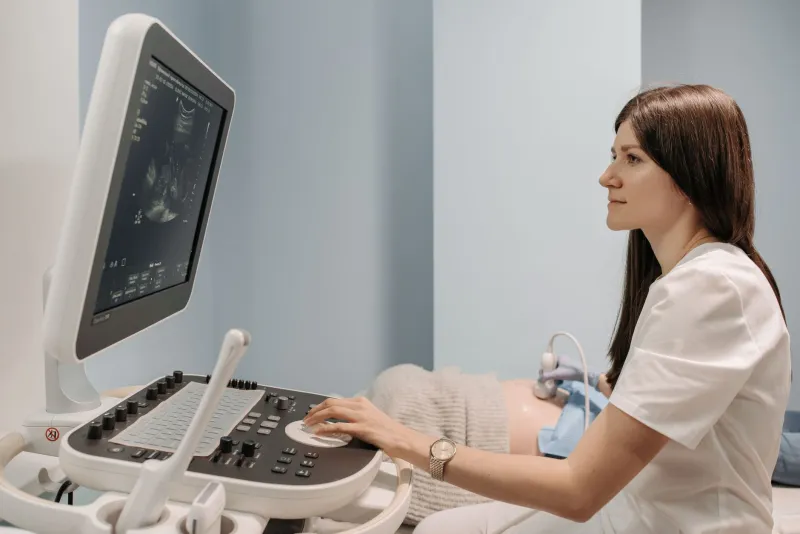
10:30 a.m. — Baseline bloodwork and imaging. Laboratory work confirms that the patient is fit for the procedure and establishes baseline markers. Additional imaging may be taken to document the joint's condition before treatment—a critical reference point for follow-up.
Afternoon — Rest and preparation. Patients are encouraged to eat well, sleep early, and keep the treated limb moving gently. Procedure day is not a surgical marathon; it is closer in intensity to a dental procedure than a joint replacement. But good preparation still matters.
Day Three: Procedure Day
8:00 a.m. — Arrival and final review. Consent forms are reviewed, questions answered, and the sterile field prepared.
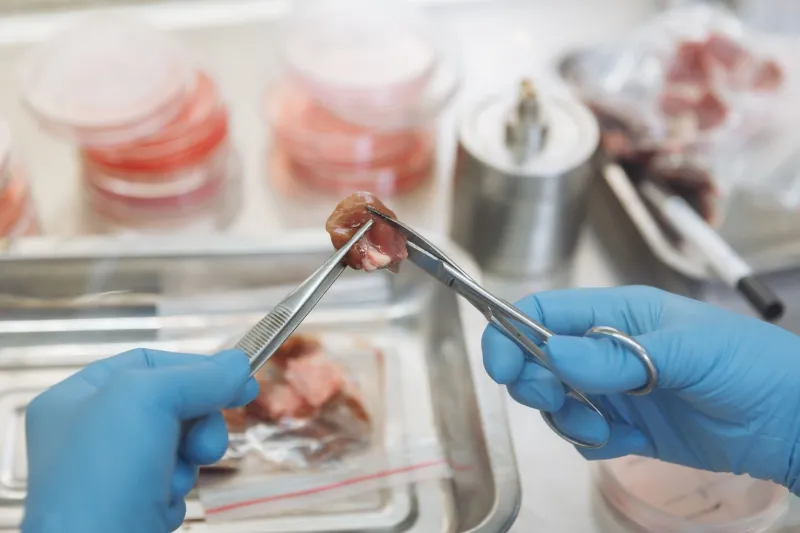
9:00 a.m. — Cell harvest and preparation. Depending on the protocol, cells may be drawn from the patient's own bone marrow or adipose tissue, or a carefully sourced and processed cell product may be used. The material is processed according to the clinic's established protocols and readied for injection.
10:30 a.m. — Injection under imaging guidance. Using ultrasound or fluoroscopic guidance, the physician delivers the cells precisely to the target tissue. Patients are awake throughout. Most describe the procedure as uncomfortable rather than painful, and it typically concludes within an hour.
12:00 p.m. — Observation and discharge. A brief observation period, post-procedure instructions, and return to the hotel. Soreness over the next forty-eight hours is normal and expected—part of the orchestrated inflammatory response that signals the repair process beginning.
Day Four: Gentle Recovery
No bed rest and no marathon either. Patients typically take short walks, keep the joint moving within prescribed limits, and begin the rehabilitation protocol provided at discharge. Kingston's warmth is more than a pleasant backdrop here: comfortable weather encourages the gentle activity that supports recovery, in contrast to a Canadian winter that keeps post-operative patients indoors.
Day Five: Follow-Up Planning and Departure
Morning — Discharge consultation. The physician reviews the rehabilitation plan, sets follow-up milestones, and establishes the remote check-in schedule. Modern regenerative care does not end at the airport; video follow-ups at one, three, six, and twelve months are standard, with outcome measures tracked against the baseline documented on day two.
Afternoon — Flight home. Patients fly home the same day or the following morning, typically walking unaided, sore but mobile.
Addressing Safety Concerns Directly
Prospective patients rightly ask whether this is safe. The honest answer is that safety depends almost entirely on the standards of the provider. Before booking, patients should verify:
- Physician licensure and specialty training, and whether the treating doctor personally performs the procedure
- Whether cell processing occurs in a proper laboratory environment with documented sterility controls
- Whether the clinic uses imaging guidance for injections rather than freehand technique
- Whether follow-up is structured and documented, or informal and optional
A clinic that welcomes these questions—and answers them with specifics rather than adjectives—is behaving like a medical practice. One that resents them is behaving like something else.
The journey to Kingston is, in truth, less exotic than most patients imagine: a short flight, three structured clinical days, and a clear plan for the months that follow. Demystified, it becomes what it should be—not an adventure, but a medical decision, made carefully and executed precisely.