While You Wait, Your Body Doesn't: The Silent Cost of Canada's Surgical Queues on Cellular Health
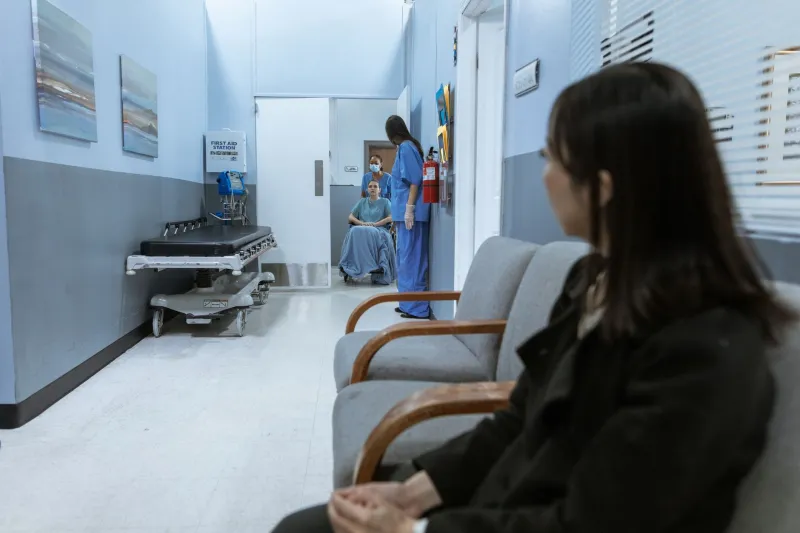
For most Canadians, receiving a surgical referral feels like progress. After months of pain, restricted movement, and inconclusive consultations, a date on the calendar—even a distant one—offers a sense of forward motion. What the referral letter does not communicate, however, is what the body is doing in the interim. And for patients with degenerative joint conditions, spinal disc pathology, or compromised soft tissue, that interim period is rarely benign.
Regeneration specialists working within the Caribbean medical community have begun describing this phenomenon using a specific term: the regeneration window. It refers to the finite period during which damaged tissue retains enough viable cellular infrastructure to respond meaningfully to regenerative intervention. Once that window closes—whether through prolonged inflammation, progressive cartilage loss, or advancing fibrosis—the biological conditions required for successful stem cell therapy become considerably less favourable.
The implications for Canadian patients navigating the country's notoriously strained surgical system are significant.
What Canadian Wait Times Actually Look Like
Canada's publicly funded healthcare system is among the most admired in the world for its breadth of coverage, but its capacity constraints are well-documented. According to data compiled by the Fraser Institute, the median wait time from specialist referral to surgical treatment in Canada reached 27.7 weeks in recent years—nearly seven months. In certain provinces, and for specific procedures such as hip replacement, knee arthroplasty, or spinal decompression, waits exceeding twelve months are not uncommon.
For a patient in Ontario awaiting a knee replacement, the typical journey may look something like this: a general practitioner referral in January, an orthopaedic specialist appointment in April, imaging and assessment completed by June, surgical scheduling confirmed for the following spring. That patient has spent more than a year in a state of progressive joint deterioration before a surgical instrument is ever applied.
What occurs biologically during that year is rarely discussed in the context of the referral itself.
The Biology of Waiting: How Degeneration Compounds Itself
Cartilage does not regenerate spontaneously. Unlike bone or muscle, which possess comparatively robust self-repair mechanisms, articular cartilage—the tissue lining joint surfaces—has a limited blood supply and a correspondingly limited capacity for natural healing. Once damage to cartilage reaches a threshold, the tissue begins to break down in ways that are self-perpetuating.
Inflammatory signalling within an injured joint creates an environment hostile to cellular repair. Cytokines—proteins involved in immune communication—accumulate in the synovial fluid, accelerating the degradation of remaining cartilage. Subchondral bone, the layer beneath the cartilage, begins to remodel in response to abnormal load distribution, creating bone spurs and further altering joint mechanics. Surrounding musculature weakens due to disuse and pain-avoidance behaviour, reducing the joint's protective support structure.
In spinal patients, a similar cascade unfolds. A disc that is herniated or degenerating at the time of referral may have lost additional height and hydration by the time surgery is scheduled. Adjacent vertebral segments may begin compensating for altered biomechanics, placing new stresses on previously healthy tissue. What was a contained problem at the point of diagnosis can evolve into a more complex surgical scenario by the time the patient reaches the operating table.
Regenerative medicine specialists emphasise that each of these processes narrows the therapeutic options available—not only for surgery, but for stem cell therapy as well.
The Regeneration Window: A Finite Opportunity
Stem cell therapies, including mesenchymal stem cell (MSC) injections and platelet-rich plasma (PRP) protocols, operate most effectively in environments where some degree of viable tissue remains. These therapies function by delivering concentrated biological signals that promote cellular repair, reduce inflammation, and encourage the recruitment of the body's own healing resources to the affected site.
When tissue degradation has advanced to the point where the structural framework required to support new cell activity is no longer present, the therapeutic impact of regenerative intervention is predictably diminished. A knee joint with moderate cartilage loss and intact subchondral architecture represents a very different treatment environment than one in which bone-on-bone contact has been established for eighteen months.
This is the clinical reality that defines the regeneration window. It is not a metaphor—it is a measurable biological condition that changes, often irreversibly, as waiting periods extend.
At Stem Cell Jamaica, patients are evaluated with this concept explicitly in mind. The clinical team assesses not only the current state of a patient's condition but the trajectory of deterioration, using imaging, biomarker analysis, and functional assessment to determine where within the regeneration window a patient currently sits—and how urgently intervention should be considered.
Jamaica as an Alternative Timeline
For Canadian patients who understand the stakes of waiting, the logistical comparison between domestic surgical queues and Caribbean regenerative care is instructive.
A Canadian patient who contacts Stem Cell Jamaica can typically complete an initial virtual consultation within days of inquiry. Following assessment and the development of a personalised treatment protocol, most patients are able to travel to Jamaica and begin their regenerative programme within four to eight weeks of first contact. The treatment itself—depending on the protocol—may span several days to two weeks, after which patients return home to continue their recovery with follow-up support provided remotely.
The contrast with a twelve-month domestic surgical wait is not merely a matter of convenience. For patients whose conditions are still within the regeneration window, those months represent a meaningful clinical difference. Tissue that can be preserved through timely regenerative intervention may not require surgical replacement at all. And for patients who do ultimately proceed with surgery, arriving at the operating theatre with better-preserved surrounding tissue, reduced inflammation, and stronger supporting musculature typically translates to improved surgical outcomes and faster post-operative recovery.
Rethinking the Referral as a Starting Point, Not an Endpoint
The cultural expectation within Canadian healthcare is that a surgical referral represents the beginning of a solution. In reality, it is the beginning of a wait—and for patients with degenerative conditions, that distinction matters enormously.
Regenerative medicine does not position itself as a replacement for surgery in every case. There are clinical scenarios in which surgical intervention remains the most appropriate course of action, and the team at Stem Cell Jamaica is committed to transparent, evidence-informed patient guidance. However, the question of whether regenerative therapy should be explored before, alongside, or instead of a surgical pathway is one that many Canadian patients are not being asked—and it is a question that becomes harder to answer favourably with every month that passes.
The regeneration window is real. It is measurable. And for a growing number of Canadians who have come to understand this, the decision to seek care in Jamaica before a surgical date arrives is not an act of impatience—it is an act of biological literacy.
Patients who wish to understand where they currently stand within their own regeneration window are encouraged to contact Stem Cell Jamaica for a comprehensive virtual assessment. The conversation costs nothing. The delay might.